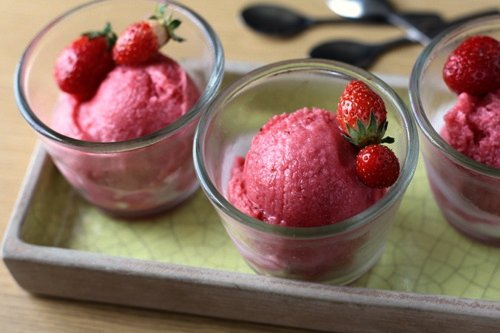
Crafting the perfect batch of homemade vegan ice cream is an art form, especially when you're aiming for that irresistible blend of creamy texture and vibrant fruit flavor. For many, the dream is a scoop of luscious vegan strawberry ice cream that tastes like summer in every bite. But what happens when you remove the dairy? The choice of your plant-based milk becomes paramount, acting as the very foundation of your frozen delight. Today, we're diving deep into the age-old vegan ice cream debate: soy milk versus rice milk, and how each influences the final taste and texture of your exquisite strawberry creation.
Unlike traditional dairy-based ice creams, where the richness of cream provides a forgiving canvas, vegan alternatives demand a more thoughtful approach. Every ingredient swap can lead to dramatically different results, a lesson learned by many a home cook and seasoned recipe developer alike. So, let's explore how these two popular plant milks stack up in the quest for the ultimate dairy-free strawberry indulgence.
The Foundation: Why Your Plant Milk Base Matters
When creating ice cream, the base liquid isn't just a carrier for flavor; it's a structural component. Traditional dairy cream contributes fat, protein, and a specific mouthfeel that dictates how smoothly it freezes, how easily it scoops, and how it melts on the tongue. Replicating this without dairy requires understanding the unique properties of various plant milks.
Many early attempts at vegan ice cream relied heavily on coconut milk or cream due to its high-fat content, which mimics dairy's richness. However, for those who dislike the distinct tropical flavor of coconut, or simply wish for a lighter profile, alternatives like soy and rice milk offer exciting possibilities. As we explore in Beyond Coconut: Delicious & Creamy Vegan Strawberry Ice Cream, moving away from coconut can open up a world of nuanced flavors.
The challenge lies in balancing the milk's inherent flavor, fat content, and protein structure to achieve a creamy, scoopable, and flavorful ice cream that truly lets the strawberries shine.
Soy Milk: The Rich Contender
Soy milk is often touted as one of the richer plant-based milk alternatives, thanks to its higher protein and fat content compared to many other options. This makes it a seemingly natural choice for dairy-free ice cream, promising a creamier texture. In theory, its robustness should translate well into a decadent frozen dessert.
- Pros:
- Creaminess: Its higher fat and protein content contributes to a smoother, richer mouthfeel, closer to traditional dairy ice cream than some lighter plant milks.
- Availability: Soy milk is widely available in most grocery stores, making it a convenient option.
- Cons:
- Flavor Profile: While rich, soy milk can sometimes impart a slightly "beany" or "murky" taste, especially when combined with certain sweeteners like agave nectar. This can subtly mute the delicate freshness of strawberries, rather than enhancing it.
- Density: Its inherent richness, while often a benefit, can sometimes make the strawberry flavor feel less bright and vibrant, leading to a less intense fruit experience.
When working with soy milk for vegan strawberry ice cream, it's crucial to select a high-quality, unflavored variety. If you experience a muted or 'murky' flavor, try reducing other strong-flavored ingredients or pairing it with a very neutral sweetener to allow the strawberry to come through as much as possible.
Rice Milk: The Flavor Amplifier
Rice milk stands in stark contrast to soy milk. It's notably lighter in body and boasts a more neutral, less pronounced flavor profile. While it might be slightly less "rich" in terms of fat and protein, this can be a surprising advantage when the goal is to highlight a star ingredient like fresh strawberries.
- Pros:
- Neutral Flavor: Rice milk's mild taste ensures it doesn't compete with or overshadow the strawberries. This allows the fruit's natural sweetness and tartness to take center stage, creating a truly intense strawberry flavor.
- Vibrant Color: Its lightness also means it won't dull the vibrant red hue of your strawberries, resulting in a visually stunning, intensely colored ice cream.
- Refreshing Texture: While perhaps not as overtly "creamy" as a soy-based ice cream, rice milk often results in a wonderfully refreshing and clean-tasting dessert, perfect for a hot day.
- Cons:
- Lighter Body: Its lower fat content means you might need to compensate with other ingredients (like a touch of neutral oil or specific sweeteners) to achieve optimal scoopability and prevent an overly icy texture.
- Less Rich: For those accustomed to very rich, heavy ice creams, rice milk might feel slightly less decadent.
For a truly potent strawberry experience, rice milk often wins the day. Its ability to let the fruit's essence shine through makes it an excellent choice for a vibrant, intensely flavored vegan strawberry ice cream.
Beyond the Base: Sweeteners, Softness, and Strawberry Perfection
No matter which plant milk you choose, several other factors contribute to the success of your vegan strawberry ice cream. These elements are key to achieving the desired sweetness, texture, and overall deliciousness.
Sweetener Selection: Granulated Sugar for the Win
The choice of sweetener is critical. While alternatives like agave nectar are popular in vegan baking, they can sometimes have a strong flavor that, much like certain soy milks, overpowers delicate fruit notes. The reference context highlights that agave nectar can "overpower the strawberries."
For a pure strawberry flavor, granulated cane sugar (refined or light unrefined) is often the best choice. It provides clean sweetness without introducing competing flavors. However, to enhance scoopability and add a subtle background sweetness, many recipes benefit from a small amount of liquid sweetener. Honey, while controversial in the vegan community, is often used for this purpose due to its unique sugar profile that resists freezing too hard.
If you're strictly vegan and avoid honey, consider substituting with an equal amount of another liquid sweetener like:
- Maple syrup: Offers a distinct flavor, so use sparingly if you want pure strawberry.
- Agave nectar: Use in moderation to avoid overpowering the fruit.
- Corn syrup: A neutral option that effectively prevents ice crystals.
- Homemade simple syrup: A solution of sugar and water, which keeps the sugar in a liquid form.
These liquid sugars help to lower the freezing point of the mixture, contributing to a softer, more scoopable ice cream straight from the freezer.
The Secret to Scoopability: Alcohols and Fats
Traditional ice cream relies on its high-fat content to remain smooth and scoopable. In vegan ice cream, especially with lighter bases like rice milk, achieving this can be tricky. One common trick is adding a small amount of alcohol, such as kirsch (cherry liqueur), or another high-proof liquor. Alcohol lowers the freezing point of the mixture, keeping the ice cream softer and less icy. If you prefer to avoid alcohol, a tiny amount of neutral-flavored oil (like refined coconut oil or a high-quality vegetable oil) can also contribute to a creamier texture, although it needs careful balancing to avoid greasiness.
For more detailed insights on maintaining that perfect texture, our guide Perfect Vegan Strawberry Ice Cream: Ingredient Swaps & Softness Secrets offers a wealth of tips.
Optimizing Strawberry Flavor and Color
The star of the show, strawberries, needs careful handling to maximize their impact. Even with the perfect base, underripe or bland strawberries will lead to a disappointing result. Here are some pro tips:
- Maceration: Macerating sliced strawberries with a bit of sugar for at least an hour before blending them allows the fruit to release its juices, intensifying both flavor and color. This simple step makes a huge difference.
- Quality of Berries: Always use the freshest, ripest strawberries you can find. If your strawberries aren't perfectly ripe, a squeeze of fresh lemon juice can brighten their flavor, and a touch more sugar might be needed to compensate for lack of natural sweetness.
- Avoiding Icy Chunks: While chunks of fruit can be delightful, they often freeze very hard. To prevent this, either blend all the strawberries into a smooth puree or chop any added chunks very finely and consider mixing them in during the last few minutes of churning.
Conclusion: Your Perfect Vegan Strawberry Ice Cream Awaits
Ultimately, the choice between soy milk and rice milk for your vegan strawberry ice cream depends on your desired outcome. If you prioritize a richer, denser creaminess that mimics dairy more closely, soy milk might be your preference, provided you choose a brand with a neutral flavor profile. However, if your heart yearns for an intensely fruity, vibrant, and refreshing strawberry experience where the berry truly sings, then rice milk, despite its lighter body, is an exceptional choice. By paying attention to sweeteners, adding elements for scoopability, and giving your fresh strawberries the star treatment they deserve, you can craft a homemade vegan strawberry ice cream that is nothing short of spectacular, proving that dairy-free can be every bit as delicious and satisfying.
